
Interlocking Pavers vs. Poured Concrete for Commercial Properties
People searching for interlocking pavers installation are often evaluating options like interlocking pavers vs. poured concrete for commercial properties and can benefit from local contractors who specialize in expert installation and durable, attractive surfaces.
Choosing the right paving option for commercial properties can significantly impact both the appearance and functionality of outdoor spaces. Whether considering interlocking pavers vs. poured concrete for commercial properties, property owners in the area often explore these choices to enhance durability, maintenance, and overall curb appeal. Understanding the benefits and limitations of each material helps in making informed decisions that align with the specific needs of a property, whether for walkways, parking lots, or decorative areas.
Local contractors specializing in interlocking pavers installation offer valuable expertise in helping property owners evaluate these options. They can provide insights into how each material performs under local conditions and assist in selecting the best solution for long-term performance. Keep reading to learn more about the differences between interlocking pavers and poured concrete, and how experienced service providers can help bring your commercial paving project to life with quality craftsmanship.
- commercial property owners considering durability and aesthetic appeal may choose between interlocking pavers vs. poured concrete, with local contractors tailoring installation approaches accordingly. - businesses seeking low-maintenance outdoor surfaces might explore interlocking pavers vs. poured concrete, as local service providers can recommend the best option based on usage needs. - property managers aiming for cost-effective and long-lasting solutions often compare interlocking pavers vs. poured concrete, with local pros providing expert installation guidance. - developers planning for high-traffic areas may evaluate the strengths of interlocking pavers vs. poured concrete, with local contractors ensuring proper installation for maximum longevity. - commercial clients interested in design flexibility and expansion potential often consider interlocking pavers vs. poured concrete, with local service providers helping choose the right material.
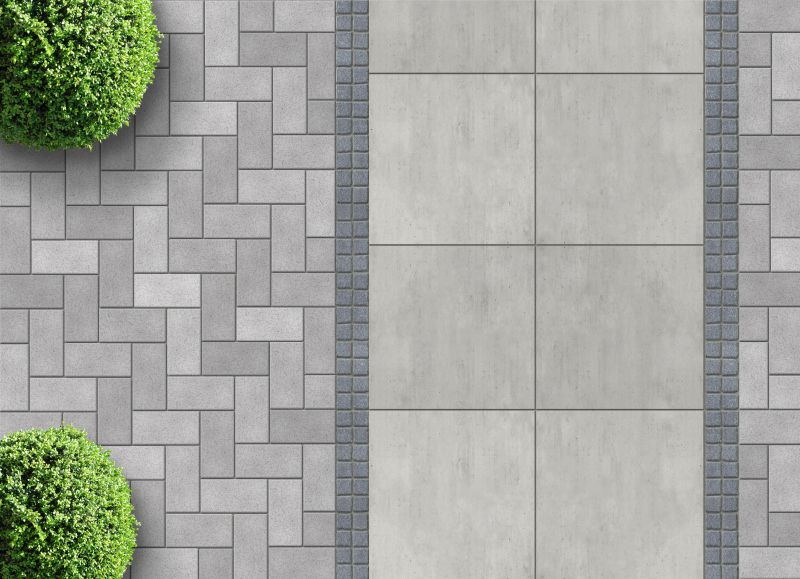
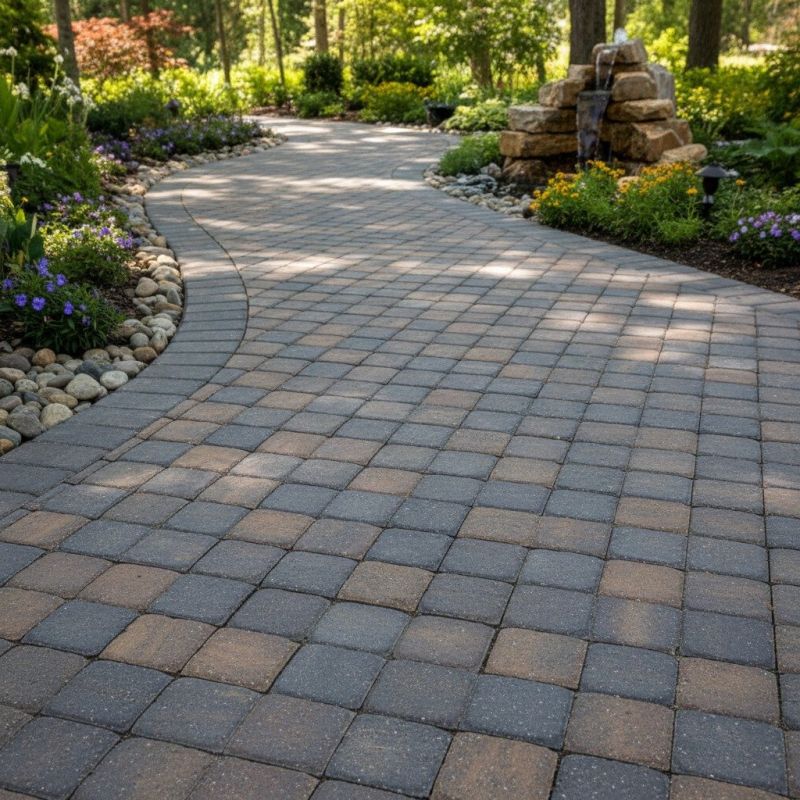
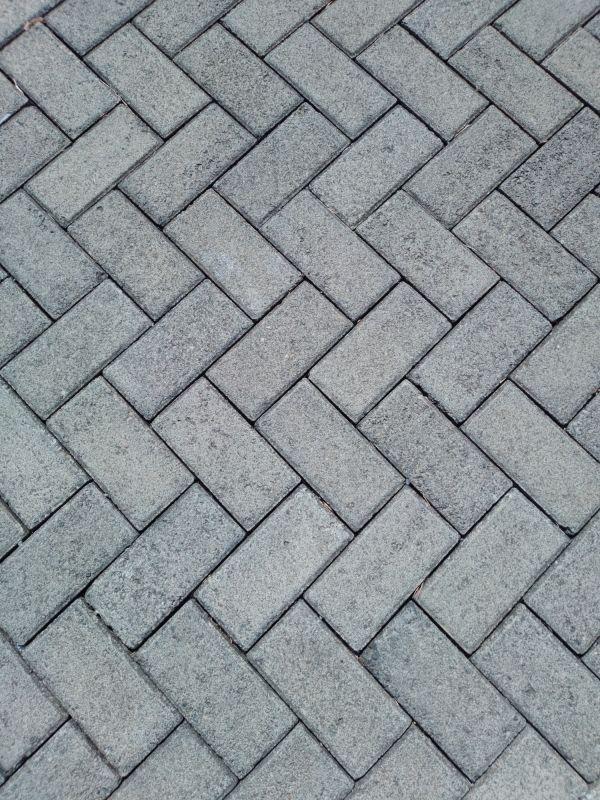
When searching for information on interlocking pavers vs. poured concrete for commercial properties, most people are exploring options for durable, functional, and visually appealing surfaces. This comparison often arises during planning for parking lots, walkways, plazas, or outdoor seating areas that need to withstand heavy foot or vehicle traffic. Property owners and managers want to understand which material offers the best balance of longevity, maintenance needs, and aesthetic appeal for their specific project. The decision-making process typically involves weighing the advantages and limitations of each material to ensure the finished surface aligns with the property's operational demands and overall look.
This topic is closely related to various planning considerations, including surface durability, ease of repair, cost-effectiveness, and long-term performance. Commercial properties often face challenges such as heavy usage, exposure to weather, and the need for minimal disruptions during maintenance. For example, interlocking pavers are known for their ease of replacement and ability to handle shifting ground, making them suitable for areas prone to movement or expansion. Conversely, poured concrete offers a seamless surface that can be poured quickly and shaped into various forms, which can be advantageous for projects requiring a smooth, uniform finish. Understanding these factors helps property owners choose the right material to meet both current needs and future growth.
The types of properties that frequently come up in discussions about interlocking pavers vs. poured concrete include retail centers, office complexes, industrial parks, and multi-unit residential developments. These properties often require surfaces that combine durability with aesthetic flexibility. For parking lots and driveways, the choice may hinge on whether the property needs a surface that can be easily repaired or replaced without significant disruption. For pedestrian walkways and plazas, the emphasis might be on appearance and slip resistance. Local contractors who specialize in interlocking pavers installation can assess the specific demands of each property type, helping property owners understand which material best suits their project's functional and visual goals.
Ultimately, choosing between interlocking pavers and poured concrete for commercial properties involves understanding how each material performs in real-world conditions. Local service providers can evaluate the property's usage patterns, environmental exposure, and aesthetic preferences to recommend the most appropriate solution. Whether the goal is to create a resilient parking area or an inviting outdoor space, experienced contractors can handle the installation process to ensure the surface meets the property's operational needs. Connecting with these local pros provides property owners with expert guidance and quality workmanship tailored to the unique requirements of commercial projects.
Parking lot renovation projects - local contractors experienced in paving can help evaluate whether interlocking pavers or poured concrete best suits the durability and aesthetic needs of commercial parking areas.
Sidewalk and walkway installations - these projects require precise planning and surface preparation skills similar to those used in interlocking pavers and poured concrete work for commercial properties.
Landscape paving and hardscape design - professionals skilled in hardscape features can assist with integrating paver patterns or concrete surfaces that complement commercial property aesthetics.
Driveway construction and repair - local service providers familiar with surface materials can recommend suitable options based on traffic loads and maintenance considerations for commercial properties.
Outdoor seating and plaza paving - these projects involve planning and installing durable, attractive surfaces, utilizing similar skills used in interlocking pavers and poured concrete applications.
Loading dock and industrial surface projects - experienced contractors can assess the best surface type for heavy use areas, ensuring proper planning and installation techniques are applied.
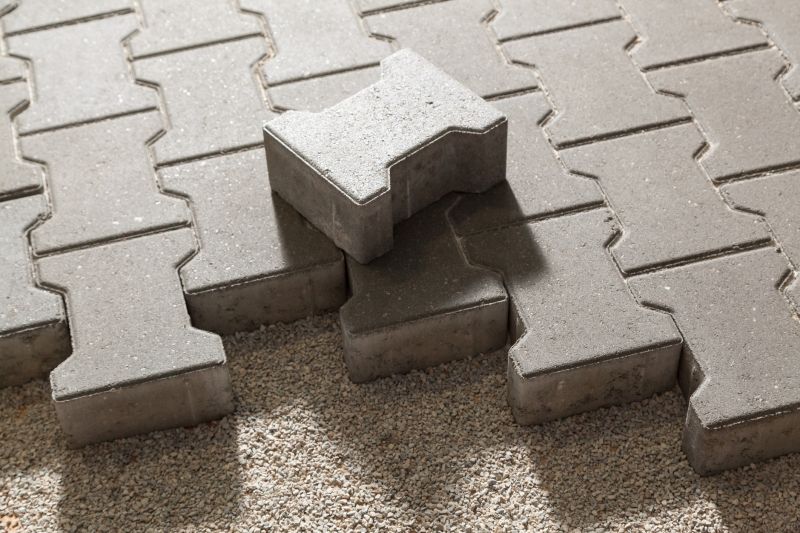
When comparing service providers for interlocking pavers installation versus poured concrete for commercial properties, it’s important to evaluate their experience with similar projects. Homeowners should seek out local contractors who have a proven track record of successfully completing projects comparable in scope and design. Asking for examples of previous work or references can provide insight into their familiarity with different materials and installation techniques, helping to ensure that the chosen service provider understands the specific requirements of commercial applications and can deliver results that meet expectations.
Clear, written expectations are essential when selecting local contractors for interlocking pavers installation services. A detailed project outline should cover the scope of work, materials to be used, and the desired outcome, reducing the chance of misunderstandings. Homeowners are encouraged to discuss these details upfront and request documentation that outlines the project plan. This transparency helps ensure that everyone is aligned on the objectives and that the contractor’s approach aligns with the property’s functional and aesthetic needs, whether opting for interlocking pavers or poured concrete.
Reputable references and good communication are key factors in choosing the right service providers. Homeowners should seek out local contractors with positive feedback from previous clients, particularly those who have completed similar projects. Effective communication throughout the process can make a significant difference, allowing for timely updates, questions, and adjustments as needed. Service providers who prioritize clear, consistent dialogue are more likely to deliver a smooth installation experience and achieve results that align with the property owner’s vision for their commercial space.
Property owners often search for interlocking pavers vs. poured concrete for commercial properties when they are planning practical projects around their homes and businesses. Local pros provide Interlocking Pavers Installation services for everyday jobs and straightforward project options.
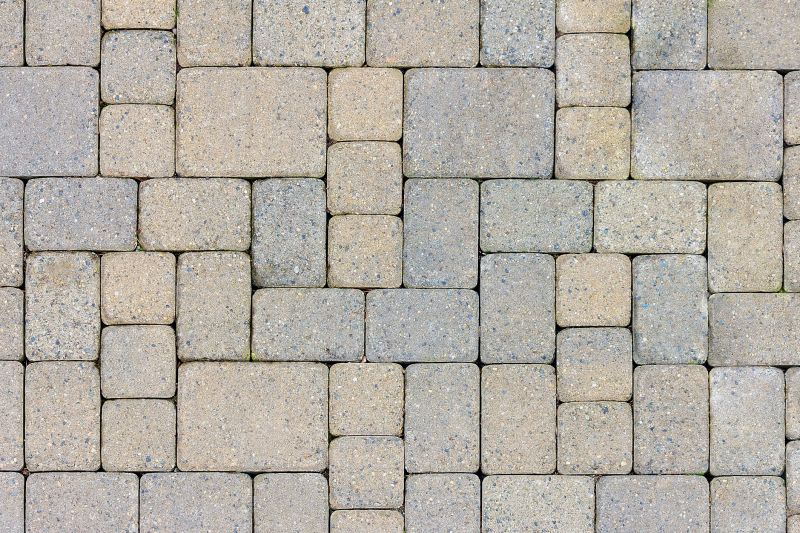
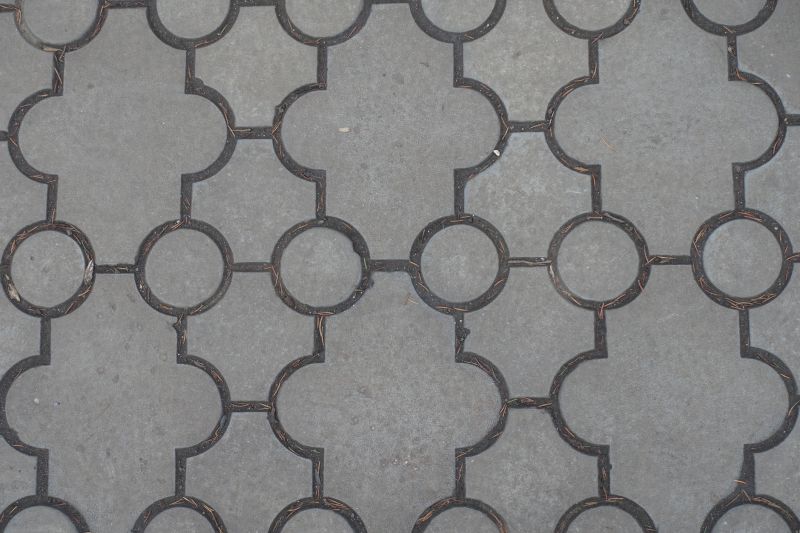
When considering surface options for commercial properties, property owners often compare interlocking pavers versus poured concrete due to their distinct advantages and practical differences. Interlocking pavers are known for their durability and ease of repair, making them a popular choice for high-traffic areas like parking lots, walkways, and plazas. They also offer a more decorative appearance with a variety of patterns and colors, which can enhance the overall aesthetic of a commercial space. On the other hand, poured concrete tends to be a more straightforward, cost-effective solution that provides a smooth, uniform surface suitable for driveways and large open areas. Local contractors can provide insights into which material best suits the specific needs of a property, considering factors like foot and vehicle traffic, maintenance, and visual appeal.
Property owners researching this topic may want to understand the long-term performance and maintenance needs of interlocking pavers versus poured concrete for their commercial projects. Interlocking pavers are often favored for their flexibility and ability to withstand ground movement without cracking, which can be especially beneficial in areas with temperature fluctuations. They also allow for easier replacement of individual units if damage occurs. Conversely, poured concrete offers a seamless surface that can be quicker to install and easier to clean, but it may be prone to cracking over time if not properly installed or maintained. Consulting with experienced local service providers can help determine the most suitable option based on the specific conditions and usage patterns of a commercial property.
What are the main differences between interlocking pavers and poured concrete for commercial properties? Interlocking pavers consist of individual units that can be replaced easily, while poured concrete forms a continuous surface. Local contractors can help determine which option offers better durability, maintenance, and aesthetic appeal for specific commercial needs.
How does installation complexity compare between interlocking pavers and poured concrete? Installing interlocking pavers typically involves precise base preparation and laying each unit, whereas poured concrete requires forming and pouring a solid slab. Service providers experienced in interlocking pavers installation can ensure proper setup for long-lasting results.
Are interlocking pavers more suitable for high-traffic commercial areas than poured concrete? Yes, interlocking pavers are often better suited for high-traffic zones because they can withstand shifting and are easier to repair. Local contractors can assess the specific traffic demands and recommend the best surface for the property.
What maintenance considerations are associated with interlocking pavers versus poured concrete? Interlocking pavers generally require periodic joint re-sanding and cleaning, while poured concrete may need sealing and crack repairs. Service providers can advise on ongoing maintenance needs for each surface type.
Can local contractors customize interlocking pavers to match the aesthetic of a commercial property? Yes, interlocking pavers come in various colors, shapes, and patterns, allowing for customization. Local pros can help design and install a pattern that complements the property's style and branding.
Durability considerations - Property owners can evaluate the long-term resilience of interlocking pavers versus poured concrete to choose the best option for high-traffic areas. Local contractors can help assess which material withstands daily use in their specific environment.
Design flexibility - Business owners might explore creative patterns and color options with interlocking pavers to enhance curb appeal, with local service providers assisting in customization. Poured concrete offers a more uniform appearance, suitable for simple, clean designs.
Installation challenges - Property managers can consider the complexity of installation processes when choosing between interlocking pavers and poured concrete, with local pros providing guidance on site preparation and layout. This helps ensure a smooth project flow and optimal results.
Maintenance needs - Business owners can plan for ongoing upkeep by understanding how each material responds to spills, weather, and wear, with local contractors offering advice on maintenance routines for interlocking pavers versus poured concrete surfaces.
If you are thinking about interlocking pavers vs. poured concrete for commercial properties for a property, this guide is meant to help you understand this topic, the typical project types, and how different options might fit your plans.
When you are ready, you can use the quote form on this page to share a few details about your project. From there, local pros can review the basics and follow up with options that match what you have in mind.