
How Proper Base Installation Prevents Shifting Paver Walkways
Homeowners seeking to prevent shifting paver walkways can rely on local contractors who specialize in proper base installation to ensure a stable, long-lasting surface.
Proper base installation is essential for maintaining the stability and longevity of paver walkways. When the foundation beneath pavers is correctly prepared, it helps prevent shifting, uneven surfaces, and costly repairs down the line. Property owners in the area who want their walkways to remain level and durable often explore this topic to ensure their investment withstands weather conditions and regular foot traffic. Understanding how proper base installation works can make a significant difference in the overall performance of a paver project, and local contractors specialize in providing the expertise needed to get it right.
For those considering paver installation, knowing how proper base installation prevents shifting paver walkways highlights the importance of professional craftsmanship. Local service providers have the experience to assess soil conditions, select appropriate materials, and execute the foundational work that keeps pavers securely in place. By prioritizing a solid base, property owners can enjoy a beautiful, stable walkway that requires less maintenance and remains functional for years to come. Keep reading to learn more about the best practices that contribute to a lasting paver surface.
- Paver installation - when installing new walkways, local contractors emphasize proper base preparation to prevent shifting over time.
- Foundation work - for existing paver paths showing signs of movement, service providers focus on correcting base issues to restore stability.
- Drainage setup - in areas prone to water pooling, local pros ensure proper base grading to avoid erosion that can cause paver shifting.
- Soil assessment - during paver projects, experts evaluate soil conditions to determine the appropriate base materials that resist movement.
- Repair services - when pavers have shifted or settled, local contractors can re-establish a stable base to maintain a level surface.
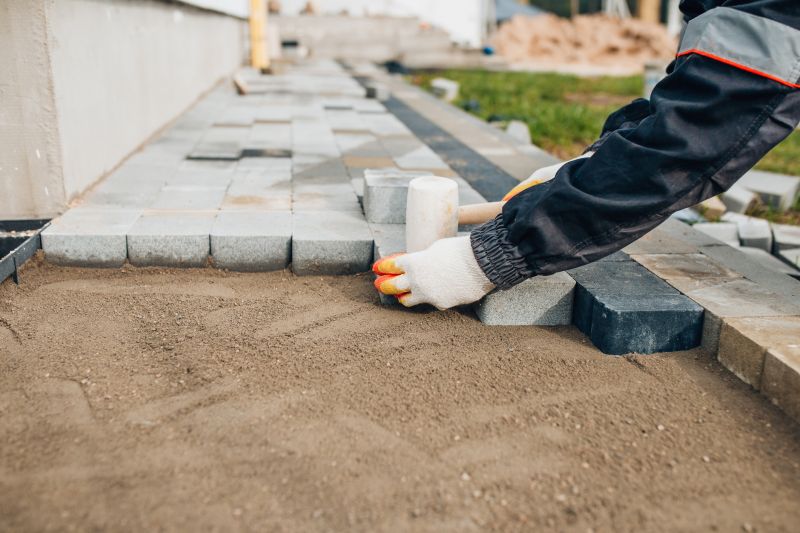
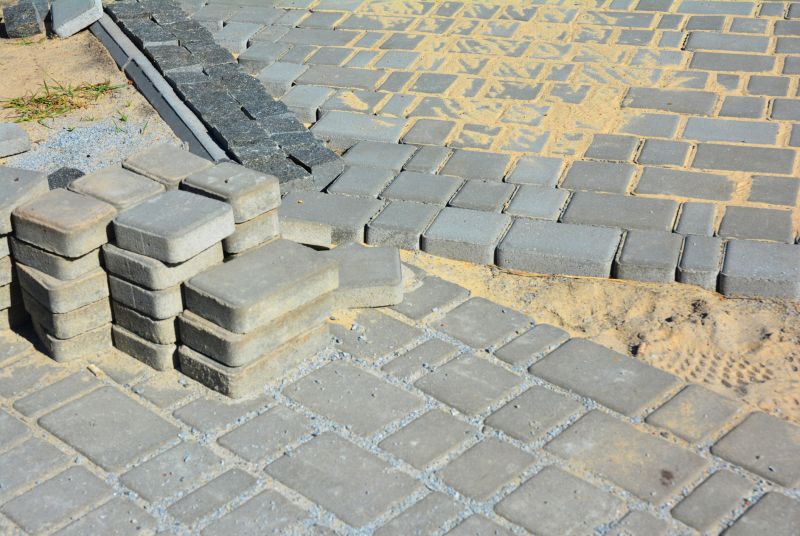
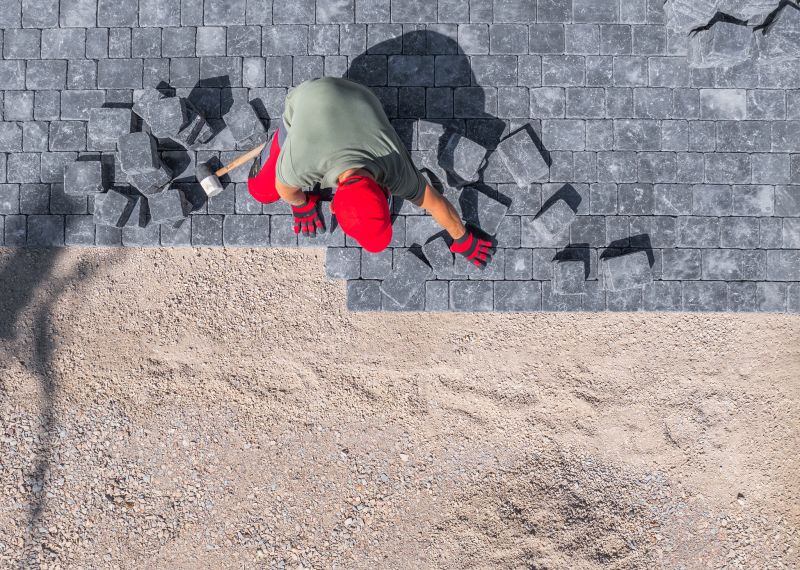
When people search for how proper base installation prevents shifting paver walkways, they are often looking to understand why their paved paths become uneven or develop movement over time. This concern typically arises after noticing loose, uneven, or cracked pavers that no longer sit flat. Homeowners planning new walkways or repairing existing ones want to ensure that their paved surfaces remain stable and visually appealing for years to come. Proper base installation is a key factor in achieving this stability, as it directly influences how well the pavers stay in place and resist shifting caused by soil movement, weather conditions, or heavy foot traffic.
Many property owners associate shifting paver walkways with common problems such as uneven surfaces, cracked or loose pavers, and trip hazards. These issues often stem from an inadequate or improperly prepared base beneath the pavers. When the base isn’t installed correctly-lacking proper compaction, drainage, or a stable foundation-pavers are more susceptible to movement. This can happen on a variety of properties, including residential yards, commercial pathways, or public parks. In planning for a new walkway or repairing an existing one, understanding how a solid base prevents shifting is essential for long-term durability and safety.
Proper base installation relates closely to the plans homeowners have for their outdoor spaces. Whether building a simple garden path, a driveway, or a decorative patio, a well-prepared base provides the necessary support to keep pavers aligned and secure. Local contractors who specialize in paver installation emphasize the importance of selecting the right materials-such as crushed stone or gravel-and ensuring thorough compaction. This preparation creates a stable, level foundation that accommodates soil movement and drainage, significantly reducing the chances of future shifting or settling. For property owners, investing in proper base installation is a practical step toward achieving a durable, low-maintenance paved surface.
Understanding how proper base installation prevents shifting paver walkways highlights the value of working with experienced service providers. These local pros bring expertise in preparing the ground, selecting suitable base materials, and executing the correct installation techniques. Their knowledge ensures that the foundation can withstand the stresses placed on paved surfaces over time, minimizing the risk of unevenness or damage. Homeowners planning new installations or repairs should consider connecting with local contractors who prioritize proper base preparation. This approach helps ensure that the paved walkways will remain stable, safe, and visually appealing for years to come.
Concrete paving projects - local contractors experienced in concrete paving understand the importance of a stable base to prevent cracking and shifting, similar to paver walkways.
Patio installation - planning and preparing a proper base is essential for patios to maintain level surfaces and prevent movement over time.
Driveway construction - durable driveways rely on proper base installation to support heavy loads and resist shifting or cracking.
Retaining wall building - ensuring a solid foundation is critical for retaining walls to withstand pressure and prevent shifting or failure.
Landscape edging services - proper base preparation helps landscape borders stay in place and resist shifting caused by soil movement.
Outdoor staircase construction - stable, well-prepared bases are vital for staircases to remain level and secure, avoiding shifting or settling issues.
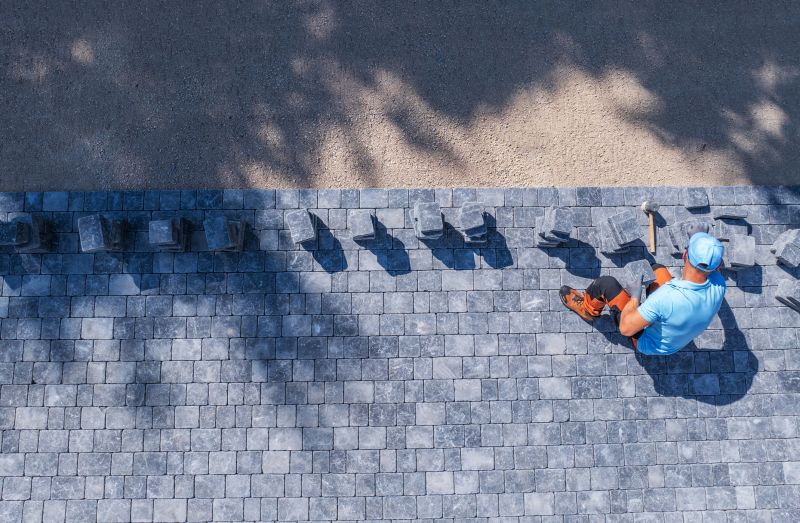
When evaluating contractors for paver installation, it’s important to consider their experience with similar projects, particularly those involving proper base installation to prevent shifting and movement of the pavers. Service providers with a proven track record in installing paver walkways can demonstrate their understanding of the importance of a stable foundation. Asking for examples of past work or references related to similar installations can help gauge their familiarity with best practices that ensure long-lasting, stable walkways.
Clear written expectations are essential when comparing local contractors. A detailed scope of work should outline how the base will be prepared and installed to prevent shifting, including specifics about subgrade preparation, base materials, and compaction methods. Having these expectations documented helps ensure that both parties are aligned on the process, reducing misunderstandings and increasing the likelihood of a successful outcome. It also provides a basis for evaluating whether a service provider’s approach aligns with best practices for durable paver walkways.
Reputable references and good communication are key indicators of a dependable service provider. Contractors who can provide references from previous clients, especially those with similar projects, demonstrate transparency and accountability. Additionally, clear and prompt communication during the inquiry process can reveal a contractor’s professionalism and willingness to address questions about how proper base installation contributes to preventing shifting. Choosing a local contractor known for open dialogue and reliable references can help ensure the paver installation meets expectations for stability and longevity.
Property owners often search for how proper base installation prevents shifting paver walkways when they are planning practical projects around their homes and businesses. Local pros provide Paver Installation services for everyday jobs and straightforward project options.
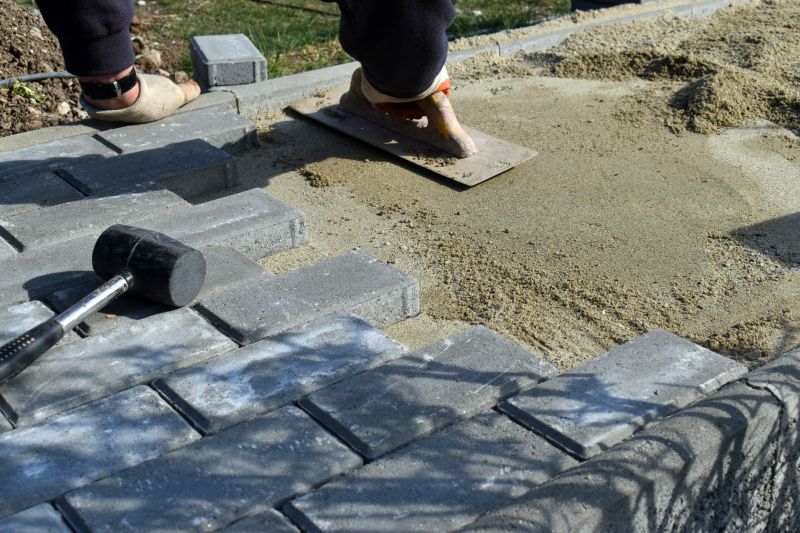
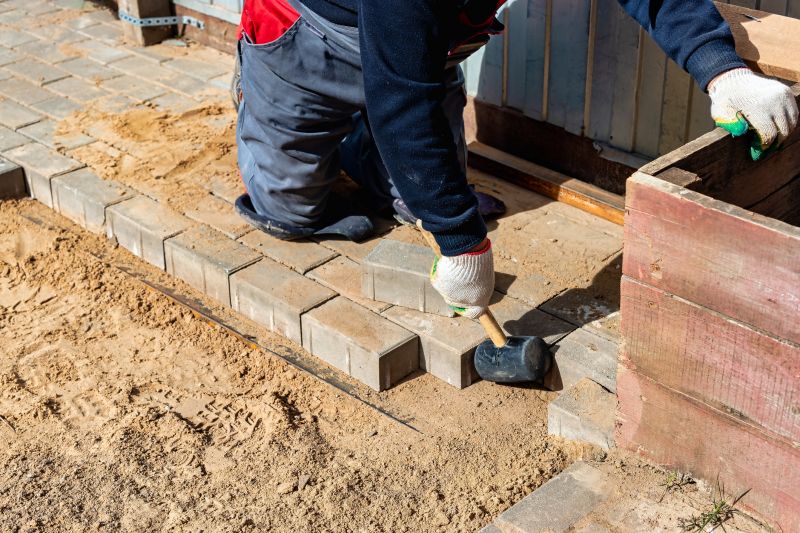
Proper base installation is essential for maintaining the stability of paver walkways and preventing shifting over time. When property owners in the area consider updating or installing new walkways, understanding how a well-prepared foundation can keep pavers level and secure is a common concern. Local contractors emphasize the importance of a solid base, which involves proper excavation, adequate compaction, and the use of suitable materials to support the weight and movement of foot traffic. This simple but crucial step helps ensure the walkway remains even and reduces the risk of uneven shifting that can lead to tripping hazards or the need for future repairs.
Many property owners seek out paver installation services to avoid the frustration and expense of dealing with shifting walkways down the line. Proper base installation from experienced service providers can make a significant difference in the longevity and appearance of a paved surface. By focusing on foundational techniques, local contractors help create durable walkways that withstand the demands of daily use. This practical approach to installation is a key factor in maintaining a safe, attractive outdoor space that stays level and stable for years to come.
How does proper base installation prevent paver walkways from shifting? Proper base installation provides a stable foundation that distributes weight evenly and minimizes movement, reducing the likelihood of shifting over time.
What role does the base layer play in maintaining the shape of paver walkways? The base layer offers support and prevents settling or unevenness, which are common causes of paver shifting, ensuring the walkway remains level and secure.
Why is compacting the base important for preventing shifting? Compacting the base eliminates air pockets and creates a dense, firm foundation that resists movement and maintains the integrity of the paver surface.
How can local contractors ensure proper base installation for paver walkways? Experienced service providers follow best practices for base preparation, including appropriate material selection and thorough compaction, to prevent future shifting.
What are common mistakes in base installation that can lead to shifting? Using improper materials, insufficient compaction, or inadequate base thickness can compromise stability, leading to paver movement and uneven surfaces.
Proper soil preparation - ensuring the ground is well-compacted and leveled helps create a stable foundation for pavers.
Use of appropriate base materials - selecting the right gravel or crushed stone layer prevents shifting under heavy foot traffic or weather changes.
Consistent thickness of base layers - maintaining even depth across the walkway area supports uniform weight distribution and stability.
Proper edge restraint installation - securing the borders with strong edgers keeps pavers in place and prevents movement over time.
If you are thinking about how proper base installation prevents shifting paver walkways for a property, this guide is meant to help you understand this topic, the typical project types, and how different options might fit your plans.
When you are ready, you can use the quote form on this page to share a few details about your project. From there, local pros can review the basics and follow up with options that match what you have in mind.